Blue Dahlia Watercolor Clipart and Illustrations
As a designer working on a seasonal campaign for a handmade boutique, I often look for visual elements that bring warmth, elegance, and a touch of nature to the design. Blue Dahlia Watercolor Clipart offers exactly that—soft, flowing lines and a delicate aesthetic that can elevate any creative project. This graphic design asset feels like a natural fit for brands aiming to evoke calm, sophistication, and a sense of artistry.
The First Impression: Softness and Elegance
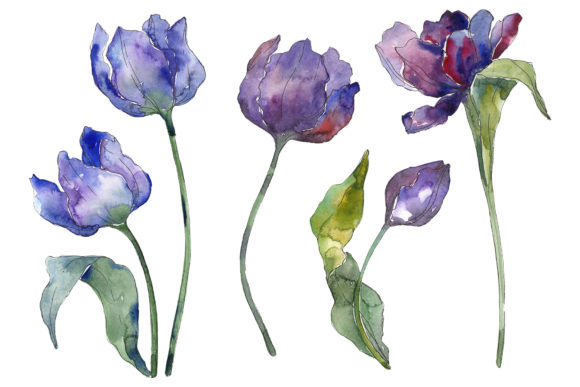
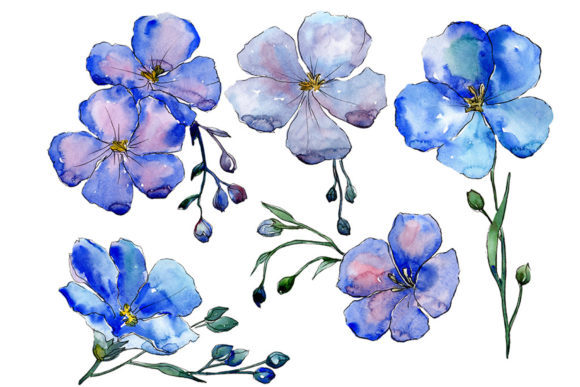
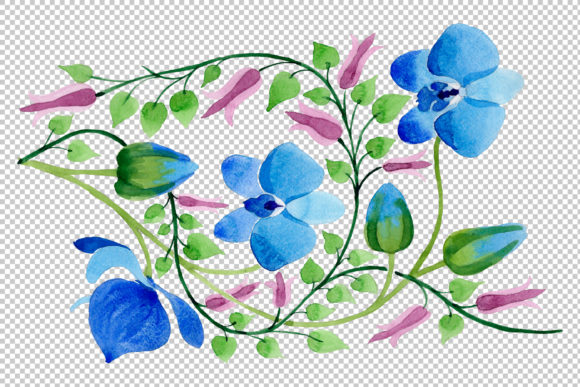
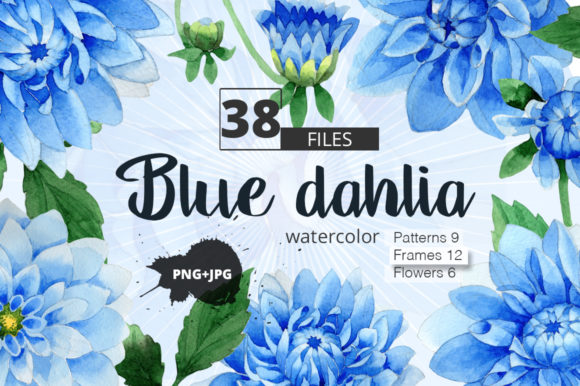
From the first glance, Blue Dahlia Watercolor Clipart exudes a quiet charm. The watercolor style is gentle, with subtle gradients and hand-drawn textures that feel authentic. It’s not overly detailed, but it carries enough visual interest to stand out without overwhelming the composition. This makes it ideal for projects that need a soft, organic feel—think floral branding, artisanal packaging, or lifestyle marketing visuals.
The illustrations are clean yet expressive, capturing the essence of a dahlia in a way that feels both modern and timeless. Whether used as a standalone element or part of a larger design, this clipart brings a sense of refinement that can enhance the overall mood of a project.
Real-World Applications: From Packaging to Social Media
In a recent project, I incorporated Blue Dahlia Watercolor Clipart into a product label design for a small business selling handmade soaps. The soft blue tones complemented the natural ingredients, while the watercolor texture added an artistic touch that made the packaging feel more personal and unique. It worked well as a background element, allowing the product name and description to remain clear and readable.
This design asset also shines in social media graphics. For a brand promoting a spring collection, I used Blue Dahlia Watercolor Clipart as a hero graphic on Instagram posts and Pinterest pins. The visual appeal was strong, and the watercolor style helped create a cohesive look across multiple platforms. It’s also a great addition to Canva templates, where users can easily layer it with text and other elements to create professional-looking designs quickly.
For a Cricut project, I found that the clipart translated well into sticker design and t-shirt design. The vector format allowed for easy scaling, and the PNG version provided transparency for layered effects. It also worked well as a sublimation design for mugs and tote bags, adding a personalized touch that customers would love.
Where It Thrives: Large Layouts and Themed Campaigns
Blue Dahlia Watercolor Clipart excels in large layout areas, such as posters, website banners, and editorial spreads. Its soft lines and pastel hues make it perfect for creating a calming visual hierarchy. When used as a decorative accent, it adds depth and interest without competing with other design elements.
This clipart is especially effective in themed collections, such as wedding invitations, seasonal greetings, or holiday packaging. It can be part of a design bundle that includes other floral or nature-themed illustrations, helping to build a cohesive visual language for a brand or campaign.
It also works well in product mockups, where it can be layered over images of items like notebooks, journals, or stationery. This helps clients visualize how the design will look in real-world applications, making it a valuable tool for print-on-demand sellers and digital product creators.
Where to Be Cautious: Minimalist and Corporate Projects
While Blue Dahlia Watercolor Clipart is beautiful, it may not be the best choice for minimalist branding or professional corporate materials. In these cases, the soft, textured style could clash with clean, geometric designs or high-contrast layouts. It might also be too busy for projects that require a very strict visual hierarchy.
For example, if a client is looking for a modern design with sharp lines and limited color palettes, this clipart could feel out of place. Similarly, in low-contrast environments, the watercolor details might not be visible enough, reducing its effectiveness.
Design Considerations: Testing and Commercial Use
Before using Blue Dahlia Watercolor Clipart for a client project, it’s essential to test it in various scenarios. Preview it at small sizes to ensure clarity, and check how it looks on both light and dark backgrounds. Test it in black and white to see if it still holds visual interest, and place it on real mockups to get a sense of how it will appear in the final product.
If the asset includes PNG transparency, make sure it works well with different backgrounds. For SVG designs, confirm that they are editable and scalable without losing quality. Compare it with different font styles to see how it interacts with text, and always verify the commercial license before using it for a client or business project.
As a designer, I’ve found that Blue Dahlia Watercolor Clipart is a versatile and appealing graphic design asset that can add character and emotion to a wide range of projects. Whether you’re working on a handmade business branding, a seasonal campaign, or a digital product, this clipart offers a unique visual language that can help your designs stand out.