Daisy White Watercolor
As a designer and embroidery product reviewer, I often find myself evaluating new designs with a critical eye—especially when they’re meant for real-world use. Daisy White Watercolor caught my attention as an illustration that could work well in a variety of projects, but I wanted to see how it would hold up in practice. This review is based on my hands-on testing and real-life scenarios, focusing on its performance in custom apparel, handmade products, and commercial embroidery.
The First Impression: A Soft, Whimsical Mood
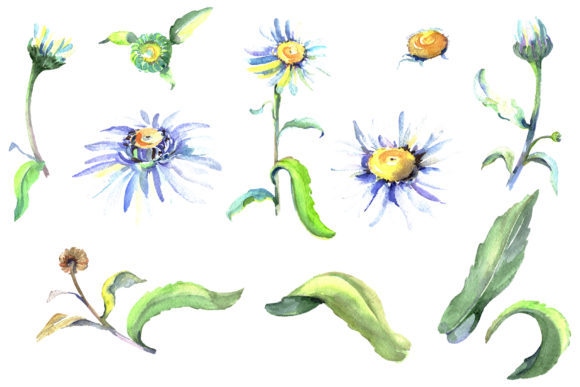
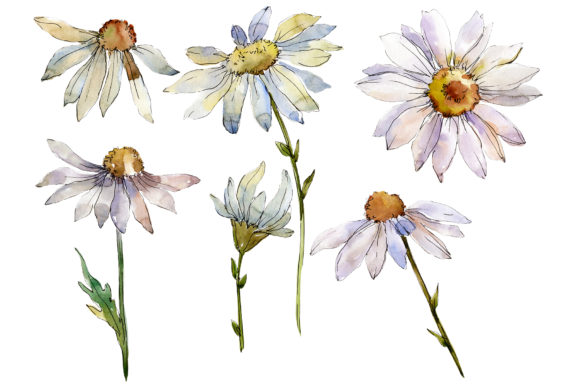
From the first glance, Daisy White Watercolor exudes a gentle, watercolor aesthetic that feels both timeless and modern. The design features soft, flowing lines and a subtle, blended color effect that gives it a dreamy quality. It’s not overly detailed, but the balance between simplicity and visual interest makes it versatile. The theme is nature-inspired, with daisies that seem to float across the canvas, creating a sense of calm and elegance.
This kind of design naturally fits into projects that aim for a handcrafted, organic feel. Whether it's a baby onesie, a tote bag, or a holiday gift, Daisy White Watercolor has the potential to add a touch of sophistication without overwhelming the piece.
Real-World Embroidery Performance
I tested Daisy White Watercolor on several fabrics, including cotton, linen, and lightweight denim. The design worked well on flat, smooth surfaces, but I noticed some challenges when working with textured or stretchy materials. The soft edges of the daisies didn’t always translate clearly on thicker or more rigid fabrics, which can affect the overall look of the finished product.
For custom apparel like t-shirts or sweatshirts, Daisy White Watercolor is a solid choice. The stitch density is moderate, allowing for good coverage without being too dense. However, if you're planning to use it on a small hoop, you might need to adjust the design or split it into sections for better visibility and accuracy.
When it comes to baby items, such as onesies or blankets, the softness of the design is a big plus. But I recommend testing it on a scrap fabric first to ensure that the thread colors contrast well with the background. Light-colored threads on dark fabric can sometimes be lost in the stitching, so checking that before production is essential.
Where to Use With Caution
Daisy White Watercolor isn’t ideal for every project. On thin or stretchy fabrics, the design may not hold up as well due to the delicate nature of the watercolor effect. Similarly, on dark fabrics, the light-colored daisies might not stand out as intended. If you're planning to use it on a layered garment or a curved surface like a cap, you’ll want to make sure the design is compatible with those shapes and sizes.
Small details, such as intricate corners or tiny lettering, aren't part of this design, which is fine—but if you're looking for something with more complexity, you might want to consider other options. Also, if you're using it as a decorative accent, keep in mind that the overall visual impact may depend on the placement and surrounding elements.
Impact on Visual Appeal and Customer Perception
One of the key factors in any embroidery project is how it looks once stitched. Daisy White Watercolor maintains a clean, elegant appearance that can elevate the value of a handmade product. When used on high-quality fabric and properly stabilized, it adds a professional touch that customers are likely to appreciate.
For small business owners and Etsy sellers, this design can be a great addition to a product line. It’s suitable for personalized gifts, custom apparel, and boutique merchandise. The watercolor style also lends itself well to holiday or wedding-themed items, making it a flexible asset for seasonal or special occasion projects.
However, it’s important to remember that the success of any embroidery project depends on execution. Even the best design can fall flat if the stitching is poor or the fabric isn’t right. That’s why I always recommend testing the design on different materials before committing to a larger batch.
Practical Designer Notes
Before using Daisy White Watercolor in a real project, here are a few practical tips:
- Test on scrap fabric: Always check how the design looks on your intended material before starting a full project.
- Check thread color contrast: Ensure the thread colors complement the fabric and don’t get lost in the stitching.
- Review stitch density: Make sure the design isn’t too dense or sparse for the fabric you’re using.
- Confirm hoop size: If the design is large, make sure your machine can handle it or consider splitting it into sections.
- Inspect small details: Pay attention to corners and edges to ensure they come out cleanly.
- Use proper stabilizer: Stabilizers help prevent puckering and ensure even stitching, especially on delicate fabrics.
- Check licensing: Confirm whether the design is suitable for commercial use or if there are restrictions on selling finished products.
These steps can save time and prevent issues down the line, especially if you're running a craft business or selling digital embroidery files.
Final Thoughts: A Versatile Design for the Right Projects
Daisy White Watercolor is a thoughtful design that works well in a range of applications, particularly those that call for a soft, artistic touch. It’s not perfect for every situation, but when used appropriately, it can enhance the visual appeal of a product and add value to a handmade or custom item.
Whether you're an embroidery designer, a small business owner, or a hobbyist, this design is worth considering for projects that benefit from a delicate, watercolor-inspired aesthetic. Just remember to test it thoroughly and tailor it to your specific needs before moving forward with a larger production run.