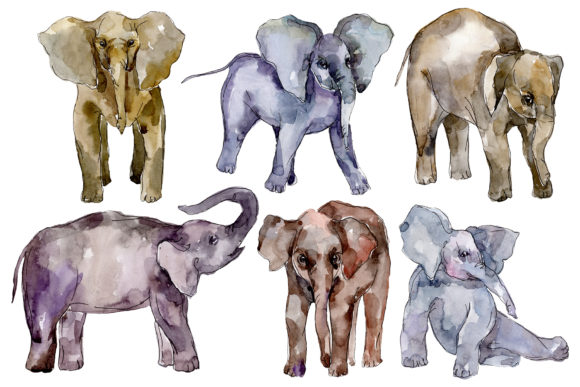
Elephant Watercolor Illustrations
As a blog designer and digital publisher, I’m always on the lookout for graphic design assets that elevate content without overwhelming it. Elephant Watercolor is one such asset that brings a soft, artistic touch to editorial design, website headers, and social media graphics. With its gentle brushstrokes and muted tones, this illustration set offers a unique visual language that feels both modern and timeless.
First Impressions: A Calm and Creative Mood
Elephant Watercolor immediately evokes a sense of tranquility and creativity. The watercolor effect adds a handcrafted quality that stands out in a world of sleek, pixel-perfect designs. This style is ideal for content niches that lean into lifestyle, wellness, art, or education. It feels approachable and inviting, making it perfect for blogs that want to build trust with their audience through visual storytelling.
The illustrations are not overly decorative, which means they can blend seamlessly into a variety of design systems. Whether you're creating blog graphics for a mindfulness site or a digital guide for artists, Elephant Watercolor provides a cohesive aesthetic that supports your brand identity without overpowering it.
Real-World Publishing Use Cases
For content creators, the versatility of Elephant Watercolor is a game-changer. It works well as a featured image for blog posts, especially those focused on creative processes, DIY projects, or personal development. The soft visuals help draw readers in, making the content feel more engaging and less transactional.
- Blog Featured Images: Elephant Watercolor adds a visual anchor to your content, helping readers quickly identify the topic and mood of an article.
- Pinterest Pins: These illustrations make excellent Pinterest graphics, offering a clean and professional look that stands out in a crowded feed.
- Article Headers: Using Elephant Watercolor as a header image can create a stronger first impression, improving click-through rates from search engines and social platforms.
- Newsletter Banners: The artwork can be used as a background or accent in email newsletters, adding a touch of elegance and personality.
- Lead Magnets: For downloadable resources like worksheets or guides, Elephant Watercolor can enhance the perceived value of your digital product.
Supporting Content Performance
Visual hierarchy is crucial in content marketing, and Elephant Watercolor helps establish a clear structure without being distracting. Its soft edges and low contrast allow text to stand out while maintaining a visually pleasing layout. This makes it ideal for content that needs to look polished and clickable, whether it's a blog post, affiliate marketing page, or social media ad.
When used consistently across your website, these illustrations can strengthen brand identity and improve reader trust. They also support better category recognition, making it easier for visitors to navigate your site and find the content they’re looking for.
Where Elephant Watercolor Shines
This graphic design asset excels in areas where visual appeal meets functionality. It’s particularly effective as a hero image for landing pages, a thumbnail for blog articles, or a preview for social media posts. In editorial layouts, it serves as a subtle but meaningful accent that enhances the overall reading experience.
Elephant Watercolor also works well as a Canva template or digital guide background. Its clean lines and minimalistic style make it easy to adapt for different content formats, from printable design templates to eBook covers.
Where to Use It Carefully
While Elephant Watercolor is versatile, it may not be the best fit for every scenario. On small mobile thumbnails, the details can get lost, so it’s important to test how it looks at different sizes. In text-heavy blog images, the illustration might compete with the copy, reducing readability.
It also isn’t ideal for serious professional niches or corporate websites that require a very minimal visual system. If your brand leans toward bold, modern design, Elephant Watercolor might not align with your aesthetic. However, for creative or lifestyle-focused sites, it can add a unique touch that sets your content apart.
Publisher Notes: Testing and Optimization
Before using Elephant Watercolor in your publishing workflow, it’s essential to test it in real-world scenarios. Preview it inside a blog layout, check how it looks as a thumbnail, and ensure it works well with headline text. Test the contrast and readability, especially if you plan to use it on dark backgrounds or low-contrast themes.
Try placing the illustrations beside different font styles—serif, sans serif, script, handwritten, and display fonts—to see how they interact. Also, review the file size for web performance and compress images properly to maintain fast load times. Finally, confirm the commercial license to ensure it’s suitable for monetized websites, affiliate pages, or paid content products.
Final Thoughts: Elevating Your Visual Storytelling
Elephant Watercolor is more than just an illustration—it’s a tool for visual communication that can enhance your editorial design, website presentation, and content marketing efforts. Whether you’re designing blog graphics, social media visuals, or digital guides, this asset offers a fresh and creative way to engage your audience.
For publishers and content creators, it’s a valuable addition to your design toolkit. It helps build a stronger visual identity, improves reader trust, and supports content that looks professional and polished. With careful use and testing, Elephant Watercolor can become a staple in your creative design process.