Watercolor Butterflies Review
First Impressions of Watercolor Butterflies
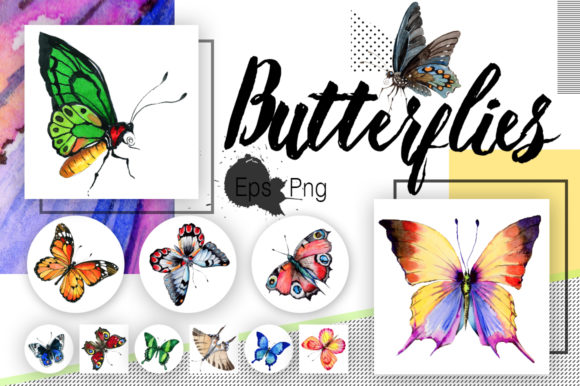
Watercolor Butterflies immediately evokes a sense of softness and whimsy. The design features delicate, flowing lines that mimic the gentle flutter of real butterflies. Its watercolor aesthetic gives it a dreamy, artistic quality that feels both modern and timeless. The layout is balanced, with a natural flow that makes it easy to place on a variety of items without feeling cluttered.
This design works best as an embroidery file for projects that require a touch of elegance and creativity. It’s ideal for custom apparel, baby items, and personalized gifts where visual appeal matters. The level of detail is just right—enough to be noticeable but not so intricate that it becomes overwhelming or difficult to stitch.
Real-Life Embroidery Scenarios
When considering how Watercolor Butterflies would look on a finished product, it’s clear that this design thrives on smooth, flat surfaces. A tote bag design or sweatshirt embroidery would showcase its beauty well. The soft edges and light shading make it suitable for both casual and more refined settings.
For a handmade product like a baby onesie or a pillow cover, the design adds a subtle charm that doesn’t overpower the item. It also works well as an embroidered patch, especially when used on caps or jackets. The overall mood of the design makes it perfect for holiday embroidery or wedding gifts, where personalization and artistry are key.
In a craft business or Etsy shop, Watercolor Butterflies could serve as a digital product preview or printable mockup. Its versatility allows it to fit into multiple niches, from boutique branding to small shop merchandise. It’s a great choice for creative entrepreneurs looking to add a unique touch to their offerings.
Where to Use Watercolor Butterflies Carefully
While Watercolor Butterflies is a beautiful design, there are certain situations where it might not perform as well. For example, on small hoop sizes, the details can become too tight, leading to stitching issues. If you’re working with textured fabrics or thin materials, the design may not show up as clearly as it should.
Stretchy fabric or dark backgrounds can also pose challenges. The soft colors might not stand out enough, and the stitching could stretch or distort. Similarly, curved surfaces like caps or hats may require careful placement to ensure the design looks good from all angles.
Products that need frequent washing, such as kitchen towels or baby clothes, may require additional stabilizer to keep the design intact. If you're using this as an applique design or incorporating it into layered garments, pay close attention to how the stitches interact with other elements.
Impact on Visual Appeal and Customer Trust
Watercolor Butterflies has a strong visual appeal that can elevate any project. Its soft, artistic style adds a sense of sophistication that can increase the perceived value of a handmade product or custom apparel. Customers often respond positively to designs that feel unique and well-crafted, which makes this a great choice for personalized gifts or boutique items.
When used in commercial embroidery or as part of a craft business, the design can enhance brand consistency. It offers a cohesive look that fits well with other illustrations or digital design assets. This consistency helps build customer trust and makes your products more recognizable in a crowded market.
The design also contributes to a professional appearance, whether it's on a printable mockup or a finished product. It’s a reliable choice for embroidery projects that require a balance of artistry and practicality.
Practical Designer Notes
Before using Watercolor Butterflies in any project, it’s wise to test the design on scrap fabric. This helps you see how the stitch density and thread colors interact with different materials. Pay special attention to how the satin stitch and fill stitch work together, especially in areas with soft shading.
Check the hoop size required for the design. If it’s too large for your machine, consider resizing or simplifying parts of the design. Also, make sure to use the proper stabilizer, especially when working with delicate or stretchy fabrics.
Test the design in black and white mockups to see how it looks without color. This can help you decide if it works well on light or dark fabric backgrounds. If you're planning to sell finished items or digital products, confirm the licensing terms before proceeding.
Finally, always inspect small details and corners for any potential issues. Even the most beautiful design can fall apart if the stitching isn’t done correctly. With a little care and attention, Watercolor Butterflies can become a standout element in your embroidery projects.